
NYC Facade Projects Your Co-op or Condo Board Can Approve
Board projects stall over votes, funding and resident questions far more often than over masonry. We prepare scopes, alternates and schedules written for a board, join meetings when asked, and keep the records that lenders, accountants and future boards will want.
How Does Our Board Get a Facade Project Approved?
In five steps, from the report on the table to the first day of work.
How Do Co-op and Condo Boards Handle Local Law 11 NYC?
In a co-op or condo, the board acts for the building owner on the facade, and the managing agent usually runs the project day to day. The board receives the FISP report, approves the scope and the contractor, decides how the work is funded, and answers to residents about noise, access and the sidewalk shed.
That makes clear paperwork as important as good masonry. A board can only approve what it understands, so we write scopes and estimates around the report, offer repair and replace alternates with their trade-offs, and set out a schedule the board can share with shareholders or unit owners.

1. Approvals Need Clear Choices
Alternates with plain trade-offs move faster than a single take-it-or-leave-it number.
2. Funding Shapes the Schedule
Reserves, an assessment or a loan each set a different pace for the work.
3. Residents Need Notice
Early, plain notices cut down on complaints and access delays.
What Makes a Board Facade Project Work
A Scope Written for a Vote
Board members are rarely engineers. Our scope follows the report item by item, explains each repair in plain words, and marks which items are required now and which could be phased, so the board can vote with confidence.
Funding and Approval Timing
Assessments, reserve draws and loans each need time, and some need a shareholder or owner vote. We set the schedule around those steps, with the Unsafe items placed so the 90-day window is still met.
Records That Outlast the Board
Contracts, permits, change orders, invoices and dated photos are kept together and handed over at the end. When the next board or the next inspector asks what was done, the answer is in one place.
Board Checklist Before the Facade Vote
Six things a board should have in hand before it votes on a facade contract.
- The FISP report and every deadline in it
- A scope that maps to each report condition
- Bids or estimates compared on that same scope
- Repair and replace alternates with trade-offs
- A funding plan and an approval timeline
- Certificates naming the board as additional insured
The Board Approval Path, Step by Step
Most board facade projects follow the same five steps from report to start date. Comparing bids is step two; our scope and bid review page shows how it works.
-
1. Scope From the Report
The report's conditions become a written scope with a repair method for each.
-
2. Bids on One Scope
Contractors price the same scope, so their bids can be compared.
-
3. Board Review and Alternates
The board weighs the options, with us at the meeting if asked.
-
4. Approval and Funding
The vote, the contract and the funding are put in place.
-
5. Notices and Start of Work
Permits are filed, residents are notified and the crew starts.
Board Mistakes That Delay Facade Projects
Most delays on board projects happen in the boardroom, not on the scaffold.
Voting on Bids That Differ
Bids that price different scopes lead to a second round and lost weeks.
Leaving Funding Until After the Vote
An approved contract with no funding in place cannot start on time.
Telling Residents Too Late
Short-notice access requests slow crews down and stir up complaints.
Keeping Records With One Person
When a board member or agent changes, the project history should not leave with them.
Working With Your Managing Agent
The managing agent runs the building day to day; we make that job easier while the project is on.
Weekly Updates
Progress by report item, with photos, sent to the agent.
Access Coordination
Apartment, terrace and roof access booked through the agent ahead of time.
Clean Invoicing
Invoices tied to scope lines, ready for the accountant.
Preparing a Facade Project for Your Board?
Send the report, and we will prepare a scope and a free written estimate the board can review.
What Your Board Receives From Us
Five documents, written so any board member can follow them.
Written Scope
Item by item from the report, in plain language.
Estimate With Alternates
Repair and replace options priced side by side.
Schedule
Built around approvals, funding and deadlines.
Insurance Certificates
Board, managing agent or owner named as additional insured.
Close-Out Records
Contracts, permits, invoices and photos in one package.
A Typical Condo Board Facade Project NYC
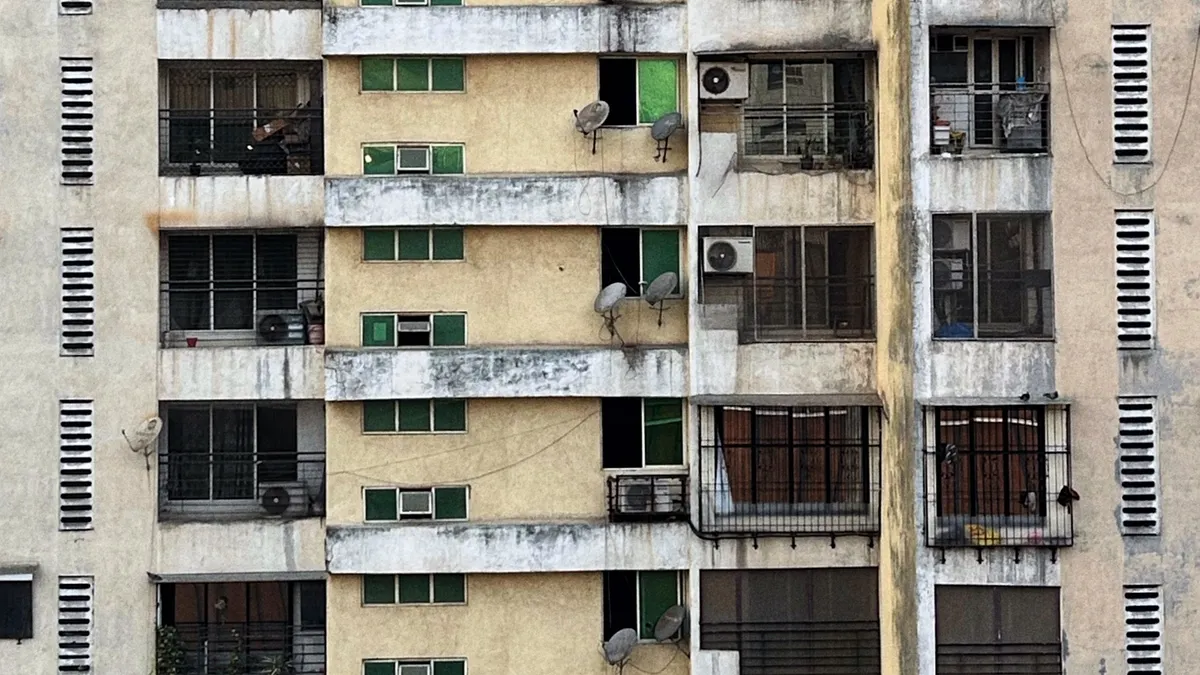
This example shows how a board project often runs on a mid-rise condo. It describes a typical project of this kind, not a specific address.
Scope: Balcony slab edge repairs, railing anchors, cast stone panels and sealant at window perimeters
Phases: Scope and alternates presented at a board meeting, approval and funding over the following weeks, then work in vertical stacks of balconies
Outcome: Approval on the first vote, residents notified one stack at a time, and a full record package handed to the managing agent
Questions From Co-op and Condo Boards NYC
The building owner is responsible for the FISP filing and the repairs, and in a co-op or condo the board acts for the owner. The managing agent usually coordinates the work day to day.
Yes. We can present the scope, the alternates and the schedule, and answer the board's questions about the repairs.
Yes. We can list the board, the managing agent or the building owner as additional insured on our certificate of insurance.
Through reserves, an assessment, a loan or a mix of these. We provide line-by-line estimates and phased schedules that lenders and accountants can work from; the funding decision stays with the board.
Through notices before work starts on their side of the building, and updates through the managing agent as each phase or drop is finished.
Services Boards Use Alongside This One
Line up contractor bids on one scope before the board votes.
A written multi-year plan for this report and the ones after it.
An order of work that keeps the deadlines and spreads the spending.
Send your FISP report and book a site visit.