
Local Law 11 Facade Repairs in NYC, Matched to Your Report
Your inspector’s report lists each condition, where it sits and how it was rated. Our crew repairs those conditions item by item, files the DOB permits, and hands back the dated photos your inspector needs to close out the filing.
Which Repairs Does Our Report Call For?
Each condition in a FISP report points to a repair. This page walks through the common ones.
What Counts as a Local Law 11 Repair NYC?
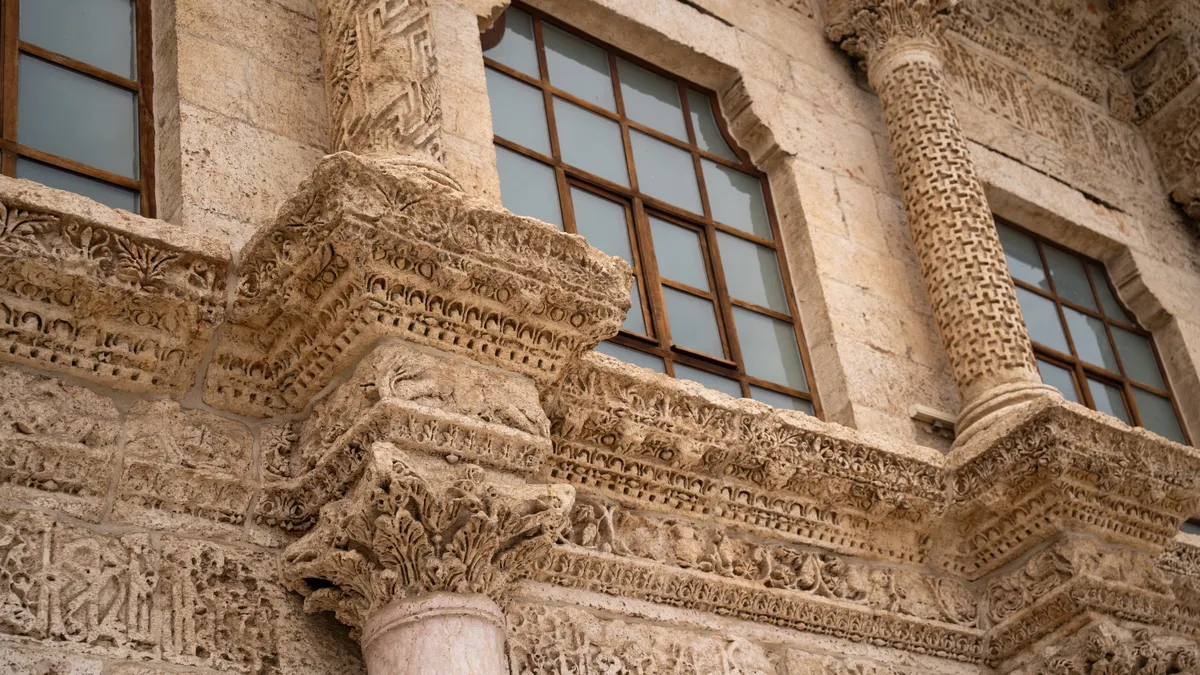
A Local Law 11 repair is any work that corrects a condition your QEWI listed as Unsafe or SWARMP in the FISP report. On most NYC buildings that means masonry and the steel inside it: brick that has cracked or bulged, steel lintels rusting at window heads, parapets that lean, terra cotta or cast stone that has spalled, and balconies, railings or fire escapes whose anchors have corroded.
The report sets the order. Unsafe conditions need public protection right away and repairs within 90 days unless an extension is filed, while SWARMP items carry a completion date set by the inspector. When the repairs are finished, the inspector confirms the work and files an amended report, which is why the photos and records from the job matter as much as the masonry.
1. The Report Is the Scope
Every repair traces back to a condition, a location and a rating in your inspector’s report.
2. Fix the Cause, Not the Crack
Cracked brick over a window is usually a rusting lintel; repairing only the brick brings the crack back.
3. Records Close the Filing
Dated photos of each finished item let your inspector confirm the work and file the amended report.
How NYC Facade Repairs Move From Report to Close-Out
Reading the Conditions
A FISP report lists conditions by elevation, floor and building element, with photos and a rating for each. Before pricing, we walk the building with the report in hand and confirm the size of each condition from the street, the roof and, where needed, from a rig. That visit is also when we look for what the report could not show, such as the steel behind a cracked brick or the anchors behind a loose stone.
Choosing the Repair Method
Most conditions have more than one fix. A rusted lintel can be cleaned and coated or replaced; a spalled cast stone sill can be patched or remade. The choice depends on how far the damage goes, what the inspector or engineer requires and how long the repair needs to last. Where an engineer’s design is needed, we follow it and price to it.
Permits, Access and Protection
Facade repairs need DOB work permits, and scaffolds, rigs and sidewalk sheds need their own. In occupied buildings we also prepare the Tenant Protection Plan and resident notices. The access method, whether a hanging rig, a pipe scaffold or rope access, is chosen for the building’s height and the work, and it shapes both the schedule and the cost.
Before You Approve a Facade Repair Scope
Run through these six points with your managing agent or engineer before any repair work is signed.
- Every Unsafe and SWARMP condition in the report appears in the scope
- Each item names a repair method, not just the word repair
- The scope says who files the DOB, scaffold and shed permits
- Hidden conditions have a stated way of being priced
- The schedule fits the 90-day Unsafe window and the SWARMP dates
- Close-out photos and documents are listed as a deliverable
Work Types in a Typical Facade Repair Scope
These are the repairs that appear most often in FISP reports for older NYC buildings, along with what the inspector usually found that led to each one.
| Work Type | Common Finding |
|---|---|
|
Brick pointing and rebuilding |
Open or eroded mortar joints, cracked or bulging brick, loose courses at corners |
|
Steel lintel repair or replacement |
Rust expanding at window heads, with horizontal cracks and displaced brick above the opening |
|
Parapet repair or rebuild |
Leaning or cracked parapet walls, loose or missing coping stones |
|
Terra cotta repair |
Cracked glaze, spalled units and corroded anchors behind ornament and cornices |
|
Cast stone and brownstone repair |
Delaminating faces and spalls at sills, lintels and window surrounds |
|
Balcony slab and railing repair |
Spalled slab edges, exposed or corroded rebar, loose railing posts |
|
Fire escape restoration |
Corroded brackets and anchors, deteriorated treads, missing or loose rails |
|
Relieving angles and sealant |
Failed sealant joints, rusted shelf angles and cracking along floor lines |
|
Cornice repair |
Loose sheet metal or stone, failed anchors and water damage behind the cornice |
Facade Repair Mistakes That Bring the Crew Back
Each of these sends a crew back up the building, often after the shed was supposed to come down.
Patching Over a Rusting Lintel
Filling the crack hides it for a season, then the steel keeps expanding and the brick moves again.
Mortar That Fights the Brick
Hard modern mortar on soft pre-war brick traps water and pushes the damage into the brick face.
Leaving SWARMP Items for Later
Items still open at the next report become Unsafe, with a shed and a 90-day clock attached.
No Photos From the Rig
Without dated close-ups of each finished item, the inspector may have to go back up to confirm the work.
How We Keep Boards and Managers Informed During Repairs
Repairs happen outside people’s windows. These three habits keep the building running while the work goes on.
Notice Before Each Drop
Residents in the line of work hear when the rig is moving, with dates and what to expect.
Weekly Progress by Item
The manager gets a short update listing which report items are finished and which are next.
Access Planned in Advance
Terrace, roof and apartment access is booked ahead, so crews are never waiting at a locked door.
Got a FISP Report With Unsafe or SWARMP Items?
Send the report, and we will set up a site visit and a free written estimate for each condition.
What You Get With Every Facade Repair Job
Five documents come with every repair job, so the board, the manager and the inspector all work from the same record.
Written Scope
Each repair listed against the report condition it corrects.
Estimate
Line by line, so any item can be approved, deferred or compared.
Schedule
Drops, phases and dates mapped to the Unsafe and SWARMP deadlines.
Insurance Certificates
With your board, agent or owner named as additional insured.
Close-Out Records
Dated photos and permit sign-offs for the amended report.
A Typical Lintel and Parapet Repair Project NYC
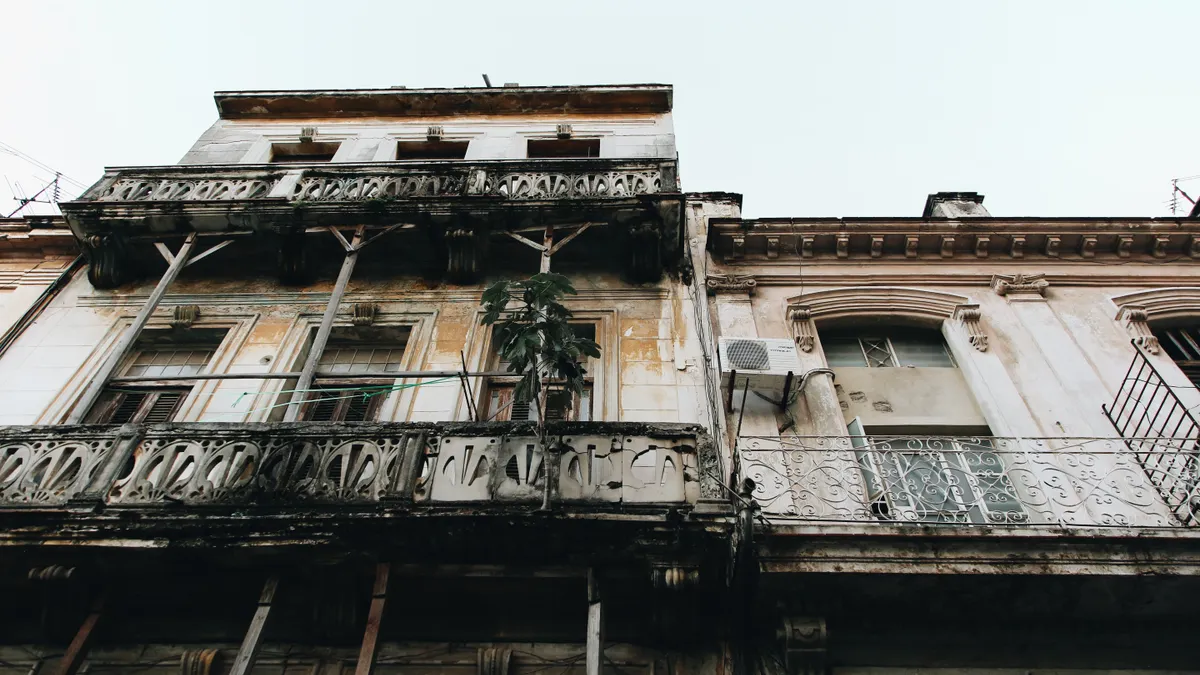
This example shows how a common repair job comes together on a pre-war apartment building. It describes a typical project of this kind, not a specific address.
Scope: Steel lintel replacement at the upper floors, a parapet rebuild with new coping stones and brick pointing on the street facade
Phases: Parapet and top-floor lintels first from a hanging rig, then the remaining lintels and pointing as the rig works down
Outcome: Unsafe parapet conditions cleared inside the 90-day window, the sidewalk shed removed and SWARMP items closed before the next report
Questions About Local Law 11 Repairs NYC
Local Law 11 requires repair of every condition the QEWI rates Unsafe, and of SWARMP conditions by the date the inspector sets. Common repairs include brick pointing and rebuilding, steel lintel replacement, parapet work, terra cotta and cast stone repair, and balcony, railing and fire escape repairs.
Yes. We work from your QEWI's report whoever wrote it, and we send the inspector dated photos of each finished item so the amended report can be filed.
Sometimes. If the steel still has most of its section, it can be cleaned, coated and re-flashed. If it has lost too much, it is replaced. That call is made with the inspector or engineer once the brick above it is opened.
We file the DOB work permits for our repairs, along with the scaffold, rig and sidewalk shed permits the job needs. For landmark buildings, the work also needs Landmarks Preservation Commission approval before it starts.
It depends on the number of conditions, the access method and the weather. Unsafe items are scheduled first so they fit the 90-day window, and the written schedule in our estimate shows the order and the expected dates.
Yes. Fire escapes are appurtenances under FISP, so corroded brackets, anchors, treads and rails can be repaired as part of the same facade job and permit set.
More Ways We Help With Facade Projects NYC
What drives the price of a facade project, and how our estimate is built.
Line up contractor bids on one scope before the board votes.
An order of work that keeps the deadlines and spreads the spending.
Send your FISP report and book a site visit.